


The most popular topics
- acoustic monitoring (23)
- acoustic niche partitioning (1)
- acoustic space (2)
- adaptation (36)
- adult survival (31)
- Africa (11)
- agriculture (24)
- albinism (1)
- alcid (1)
- alpine birds (12)
- Altmetric (12)
- altmetrics (6)
- annual cycle (20)
- anthropogenic (2)
- anthropogenic food sources (14)
- anthropogenic habitats (4)
- anticoagulant (1)
- antipredator behaviour (11)
- AOC2019 (1)
- Apodidae (1)
- arid zone (5)
- artificial light at night (ALAN) (1)
- authors (5)
- automated radiotelemetry (1)
- autonomous recording units (1)
- avian biology (37)
- avian malaria (4)
- awards (9)
- Bayesian modelling (4)
- begging (1)
- behaviour (104)
- biliverdin (1)
- bill (1)
- bio-logging (20)
- bioacoustics (18)
- biodiversity (23)
- biofluorescence (1)
- biomonitoring (6)
- bird assemblages (23)
- bird atlas (3)
- bird communities (28)
- bird handling (3)
- bird movements (49)
- Bird Protection (25)
- bird song (22)
- bird trapping (3)
- bird vision (4)
- bird-human interactions (41)
- birds of conservation concern (36)
- birds of prey (45)
- Black Lives Matter (3)
- blog (10)
- blogging (9)
- blood sampling (1)
- Bluesky (2)
- body condition (2)
- botflies (1)
- BOU (39)
- BOU Conferences (8)
- BOU members (48)
- BOU series (11)
- BOU Warham Student (8)
- BOU-funded (61)
- BOURC (2)
- Breeding (105)
- breeding biology (50)
- Breeding Bird Survey (2)
- breeding site fidelity (1)
- breeding success (22)
- breeding tactics (2)
- brood parasitism (11)
- bursary (1)
- call repertoire (1)
- camara traps (7)
- cameras (6)
- camouflage (13)
- captive-bred (6)
- captive-breeding (5)
- carbon (2)
- Career Development Bursary (2)
- careers (2)
- Caribbean (1)
- carry-over effects (2)
- cavity nesting (8)
- cerrado (2)
- change-over (1)
- chick provisioning (1)
- chough (1)
- citizen science (27)
- climate (10)
- climate change (42)
- climatic niche (1)
- cloud forest (2)
- clutch size (1)
- collaboration (6)
- collection bias (2)
- collision (5)
- collision risk (7)
- colonial birds (12)
- colour mutations (3)
- colour ringing/banding (9)
- colour-polymorphism (2)
- colouration (16)
- communal (6)
- communication (27)
- communications (10)
- Community (99)
- community ecology (10)
- competition (17)
- condition (2)
- condors (1)
- Conferences (63)
- connectivity (7)
- Conservation (104)
- cooperative breeding (7)
- coordination (1)
- corticosterone (4)
- corvids (5)
- creative writing (3)
- Crete (1)
- crowd-sourcing (3)
- crypsis (2)
- cryptic (4)
- cryptic species (3)
- Cuckoos (7)
- Cyprus (1)
- data repository (4)
- demography (14)
- desert island books (8)
- diet (37)
- diet composition (26)
- discrimination (1)
- disease (9)
- dispersal (7)
- displacement (6)
- display (4)
- distribution (45)
- Disturbance (32)
- diveristy (4)
- diversification (16)
- diversity (14)
- Diversity Blog (27)
- DNA barcoding (12)
- DNA sequencing (17)
- domesticated (3)
- dominance (2)
- dung (1)
- eagle (1)
- early career (47)
- early-career researcher (104)
- ecological indicators (1)
- ecology (75)
- ecotone (2)
- ECR (97)
- ectoparasitism (1)
- eDNA (1)
- egg shape (2)
- eggs (28)
- eggshell maculation (1)
- eggshell thickness (1)
- endangered (15)
- endemic (9)
- engagement (6)
- entanglement (1)
- environmental modification (1)
- EOU2019 (1)
- equality and diversity (25)
- EU (3)
- evolution (39)
- experiment (16)
- extinction (2)
- extra pair paternity (6)
- Facebook (12)
- Farmland birds (22)
- feathers (16)
- fecal DNA (4)
- fieldwork (48)
- fisheries (3)
- fishing vessels (1)
- fledgling survival (8)
- fledglings (11)
- flexibility (2)
- flight (15)
- Florida (1)
- Fluorescence (1)
- flushing behaviour (1)
- food hoarding (1)
- foraging (65)
- foraging resource limitation (4)
- forest birds (31)
- fracking (1)
- frugivory (4)
- functional diversity (1)
- functional traits (1)
- funding (5)
- fungi (diet) (2)
- Galliformes (9)
- game bird (10)
- game theory (1)
- garden birds (6)
- garden feeding (4)
- gardens (1)
- gender (1)
- gene flow (11)
- generalist (1)
- genetic differentiation (1)
- genetic diversity (11)
- Genetics (45)
- genomics (8)
- geolocator (19)
- geomorphology (1)
- global change (10)
- gps tags (32)
- grants (2)
- Grants Committee (3)
- grass heath (3)
- grassland (11)
- grassland birds (12)
- grey literature (1)
- growth (2)
- habitat (42)
- habitat degradation (17)
- habitat fragmentation (5)
- habitat restoration (5)
- habitat selection (34)
- habitat use (1)
- habituation (1)
- Haemosporidia (1)
- hashtags (2)
- heat (3)
- herons (1)
- Himalayan birds (4)
- Himalayas (1)
- History of Ornithology (23)
- home range (1)
- host-parasite interactions (1)
- humid-zone (1)
- hummingbirds (7)
- hunting pressure (7)
- hurricanes (1)
- hybridization (10)
- hybrids (4)
- IBIS (114)
- illegal killing (8)
- image processing (6)
- impact (2)
- impact assessment (3)
- inclusivity (2)
- incubation (18)
- incubation attentiveness (2)
- infectious diseases (4)
- insecticide (2)
- interspecific interactions (1)
- invasive predators (2)
- invertebrates (9)
- IOCongress2018 (13)
- island birds (38)
- island endemics (1)
- islands (9)
- islands birds (7)
- isotopes (4)
- Journal (45)
- journal metrics (16)
- kleptoparasitism (2)
- kudos (1)
- land management (17)
- land use (15)
- land-cover association (1)
- landfill (1)
- Larids (1)
- lead poisoning (5)
- legislation (4)
- leucism (1)
- LGBT (11)
- LGBTQIA+ (14)
- life history (15)
- light pollution (5)
- Little Bustard (2)
- longevity (2)
- machine learning (4)
- marine habitat (2)
- mark‐recapture (4)
- marsh birds (6)
- mate selection (7)
- mechanical constraint (1)
- Mediterranean forest (3)
- members (2)
- mentoring (1)
- mesopredator release (1)
- metabolism (2)
- microsatellite (1)
- migrant (38)
- Migration (90)
- migration stopover (13)
- migratory connectivity (5)
- modelling (6)
- molt (4)
- monitoring (49)
- monogamy (3)
- moorland (3)
- moorland birds (4)
- morphological niche (1)
- morphology (14)
- mortality (16)
- MOTUS (1)
- moult (10)
- movement (17)
- movements (30)
- multilingual (1)
- museum collections (10)
- mutualism (3)
- mycophagy (1)
- myiasis (1)
- Names (2)
- natural disasters (1)
- natural history (8)
- nature reserve (1)
- neonicotinoids (1)
- Neotropics (13)
- nest environment (3)
- nest exchange ritual (1)
- nest humidity (1)
- nest monitoring (19)
- nest predation (20)
- Nest Record Scheme (2)
- nest recording (5)
- nest-site availability (1)
- nest-site limitation (4)
- nesting (39)
- nesting material (4)
- nesting success (19)
- nestling food (3)
- nestling growth (3)
- nestling provisioning (4)
- nestling survival (2)
- nestlings (10)
- new articles (7)
- News (7)
- News (178)
- NGOs (1)
- niche overlap (6)
- nitrogen (2)
- nocturnal birds (9)
- noise (5)
- noise pollution (7)
- nomenclature (2)
- non-breeding ecology (14)
- non-invasive sampling (5)
- non-natives (4)
- non-vocal communication (2)
- nutrition (2)
- occupancy (3)
- occurrence data (6)
- Oceanography (2)
- olfaction (1)
- oology (1)
- open source (5)
- ORCID (1)
- ornamentation (2)
- ornitholoday (3)
- Ornithomycology (1)
- overwintering (13)
- owls (4)
- pair communications (4)
- pair-bond (6)
- palaeontology (3)
- parasite-host interactions (1)
- parasites (10)
- parasitism (6)
- parental care (20)
- parental condition (1)
- parental cooperation (1)
- parrot (13)
- passerines (52)
- passive acoustic monitoring (6)
- passive monitoring (7)
- peer review (4)
- penguins (3)
- People (51)
- persecution (5)
- personality (2)
- pet trade (1)
- phenology (21)
- phenotypic plasticity (1)
- phenotypic variation (7)
- phylogeny (13)
- physiology (16)
- pigeon (3)
- pigmentation (1)
- PIT tags (1)
- plasma (1)
- plasticity (2)
- plastics (5)
- plumage (21)
- poisoning (2)
- pollution (5)
- population decline (2)
- population divergence (7)
- population dynamics (43)
- population recovery (11)
- population reinforcement (2)
- population size (2)
- population structure (25)
- populations (18)
- predation (18)
- predator-prey interaction (1)
- predator-prey interactions (6)
- productivity (4)
- protected areas (16)
- protoporphyrin (1)
- provisioning (3)
- Psittaciformes (7)
- publication (1)
- publications (4)
- publishing (1)
- puffins (2)
- R (1)
- RAD sequencing (1)
- radiotelemetry (1)
- Rainbow blog (10)
- rainforest (1)
- range expansion (4)
- raptors (61)
- re-introduction (3)
- recording (5)
- Records Committee (2)
- red grouse (3)
- rehabilitation (4)
- reintroduction (3)
- remote sensing (8)
- renewable energy (3)
- repeatability (1)
- reproduction (19)
- reproductive signalling (6)
- ringing (11)
- road ecology (3)
- road traffic (8)
- roost (4)
- Roseate Tern (1)
- Round Island petrel (4)
- RSPB science (4)
- satellite tracking (20)
- scatter-hoarding (1)
- scavengers (13)
- sciblogging (10)
- scicomm (45)
- Science (79)
- science blogging (23)
- science communication (62)
- scientific essay (1)
- Seabirds (101)
- seasonal sympatry (1)
- seed dispersal (5)
- seed/spore dispersal (diet) (2)
- selection (7)
- sensory ecology (6)
- sexual conflict (1)
- sexual dimorphism (6)
- sexual selection (3)
- shorebirds (24)
- short-distance migration (3)
- signal (2)
- site fidelity (2)
- smell (2)
- soaring birds (17)
- social media (48)
- song (21)
- sound (11)
- Southern Ocean (1)
- special issue (2)
- Speciation (3)
- species interactions (7)
- stable isotopes (12)
- steppe birds (3)
- storm-petrels (5)
- stress (2)
- structural-function hypothesis (1)
- sub-lethal (1)
- subtropical (2)
- sulphur (1)
- supplementary feeding (1)
- surrogate species (2)
- survey (6)
- survival (22)
- sustainable hunting (2)
- systematics (4)
- tail length (1)
- Taxonomy (26)
- technology (7)
- temperature (10)
- territoriality (10)
- territory occupancy (2)
- thermal imaging (2)
- thermal stress (3)
- thermoregulation (3)
- threatened species (5)
- tissue samples (1)
- tracking (48)
- trade (1)
- trade-offs (5)
- trait expression (1)
- travel grant (1)
- trends (2)
- trophic ecology (2)
- tropical birds (29)
- Tundra (4)
- Twitter (33)
- twitter conference (3)
- ultraviolet light (2)
- Uncategorized (3)
- upland birds (11)
- Urban birds (21)
- urbanization (10)
- vagrancy (4)
- vagrant birds (4)
- vocal activity (7)
- vocalisations (18)
- vocalizations (4)
- volunteering (5)
- volunteers (12)
- vultures (18)
- waders (32)
- war (1)
- water quality (2)
- waterbirds (22)
- weather (11)
- Wetland Bird Survey (1)
- wetlands (20)
- wild-derived (1)
- wildlife collision (1)
- wind (5)
- wind energy (1)
- wind farms (6)
- wind turbine (1)
- wing length (1)
- wing morphology (1)
- wing patch size (1)
- winter (9)
- wintering (11)
- woodland birds (20)
- zoonotic disease (1)
Recent posts:
What does birdwatching mean to you?
Heather Fortune2026-01-26T20:56:09+00:0029 Jan 2026|BOU members, Diversity Blog|
Thoughts from Silwood Park Conservation Club
When cuckoos don’t bother to cheat
Mominul Islam Nahid2026-01-10T10:26:28+00:0019 Jan 2026|behaviour, brood parasitism, IBIS|
New study finds Asian Koels ignore egg appearance when choosing where to lay
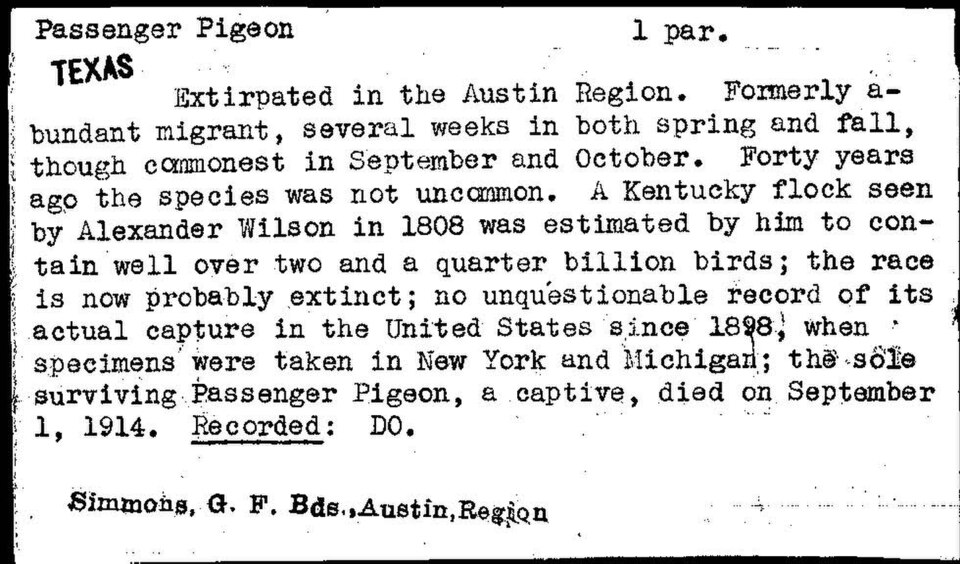
Card-carrying Ornithologists
Robert Montgomerie2026-01-16T01:18:48+00:0015 Jan 2026|citizen science, History of Ornithology, Migration, Nest Record Scheme, nest recording|
The roots of citizen science
Unpacking Forensic Ornithology at BOU 2025: Frontiers in Ornithology
Bhawani Sabat2026-01-06T11:55:35+00:008 Jan 2026|BOU Conferences, BOU members, BOU-funded, Conferences, News, science communication|
Each year, the BOU funds members' attendance at ornithology conferences via Member Conference Attendance Grants. Here Bhawani Sabat provides an account of her time at BOU2025.
Barn Swallows, New Collaborations, and Welsh Dancing: My First EOU Experience
Susan McKinlay2025-12-27T17:43:53+00:001 Jan 2026|BOU Conferences, BOU members, BOU-funded, Conferences, News, science communication|
Each year, the BOU funds members' attendance at ornithology conferences via Member Conference Attendance Grants. Here Susan McKinlay provides an account of her time at EOU2025.
How many bird species?
Robert Montgomerie2026-01-15T21:26:19+00:0026 Dec 2025|cryptic species, History of Ornithology, hummingbirds, Taxonomy|
The answer: it depends.
Returning to their natural home: Lesser Kestrels resist environmental changes by nesting in cliffs
Maurizio Sarà2025-12-27T17:07:53+00:0025 Dec 2025|birds of prey, IBIS, nest environment|
Breeding in natural nesting sites can improve the resilience of local Lesser Kestrel (Falco naumanni) populations to environmental changes
Reflections from the 13th Australasian Ornithological Conference in Perth, Australia
Radhika Jha2025-12-22T12:36:07+00:0022 Dec 2025|BOU Conferences, BOU members, BOU-funded, Conferences, News, science communication|
Each year, the BOU funds members' attendance at ornithology conferences via Member Conference Attendance Grants. Here Radhika Jha provides an account of her time at AOC2025.
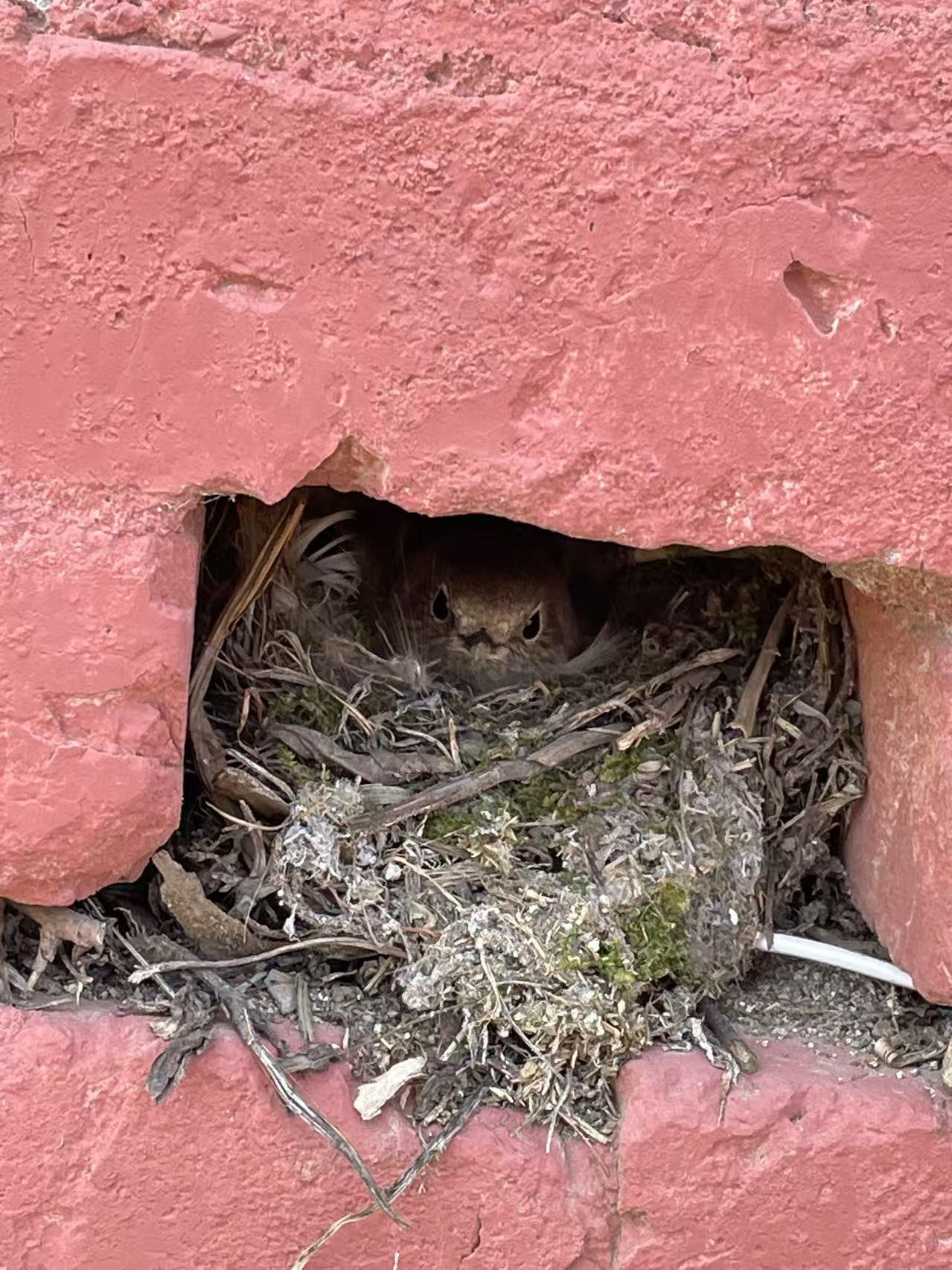
Do wing patches predict assortative mating?
Meijun Liu2025-12-07T13:27:00+00:008 Dec 2025|behaviour, IBIS, mate selection|
White wing patch size predicts assortative mating in Daurian Redstart (Phoenicurus auroreus)
Following the Mediterranean Gulls to the 15TH EOU
Ioannis Kalaitzakis2025-11-26T23:04:16+00:004 Dec 2025|BOU Conferences, BOU members, BOU-funded, Conferences, News, science communication|
Each year, the BOU funds members' attendance at ornithology conferences via Member Conference Attendance Grants. Here Ioannis Kalaitzakis provides an account of his time at EOU2025.
Partners Beyond Breeding
Frigg Speelman2025-11-26T21:48:04+00:001 Dec 2025|behaviour, Breeding, breeding tactics, pair-bond|
Pair-bonded Chirruping Wedgebills spend lots of time together; but they’re closer after breeding than during breeding
At EOU2025: Using genomics to study how birds are moving and redistributing behavioural traits across geographic space
Malin Klumpp2025-11-21T09:37:28+00:0024 Nov 2025|BOU Conferences, BOU members, BOU-funded, Conferences, News, science communication|
Each year, the BOU funds members' attendance at ornithology conferences via Member Conference Attendance Grants. Here Malin Klumpp provides an account of her time at EOU2025.